

Electoral law Article 200: Hisn Al-Mateen Bloc disputes placing the burden of proof on excluded candidates
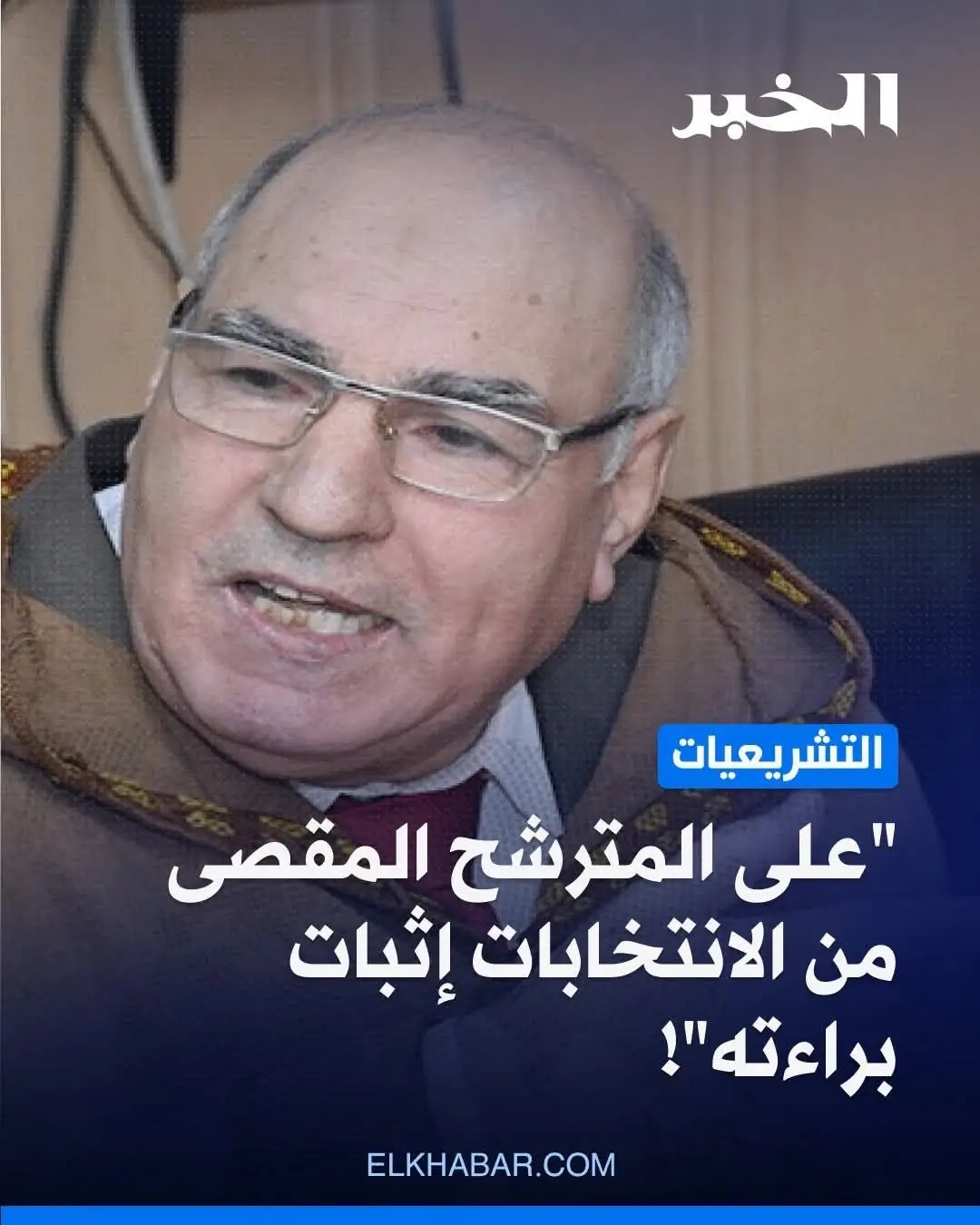
The Hisn Al-Mateen Bloc values the scholarly and legal contribution of Professor Moussa Boudhane, professor of constitutional law and one of the Bloc's first founders, and appreciates his continued efforts to enrich public debate on constitutional and electoral issues of concern to the nation and its citizens.
While we respect his legal reading of the application of Article 200 of the electoral law, we have reservations about the view that the burden of proving innocence lies with the excluded candidate.
In our view, this position raises a legal and practical problem, especially where suspicions or administrative and security reports are involved that the candidate can hardly contest or access in detail, making it practically and legally difficult to dispel suspicion or prove innocence.
However, the controversy over Article 200 reveals a deeper political and legislative issue: the responsibility of the MPs and political parties that passed the text without raising the same reservations during debate and voting in Parliament.
It is unacceptable that some of those who helped draft the text, or kept silent about it, should turn into critics once it is applied, when they were expected to exercise their full responsibility in examining the law and its potential effects on political life.
The debate also raises serious questions about the role of political parties in guiding, training and supporting their MPs within legislative institutions: a party's role is not limited to contesting elections and winning seats, but extends to preparing members able to understand legal texts, analyse their effects and defend amendments that ensure clarity, effectiveness and consistency with constitutional principles.
What we are witnessing today confirms the need to raise the quality of legislative work and strengthen the political and legal training of elected officials, so that controversies over laws that were not adequately debated before adoption do not recur.
Differing views on this legal question remain natural and healthy; they detract neither from Professor Moussa Boudhane's scholarly standing nor from the right of all actors and experts to offer their legal interpretations in the national interest and in support of the rule of law and institutions.
One Homeland, One Nation, One History, One Destiny
Photo album
Related
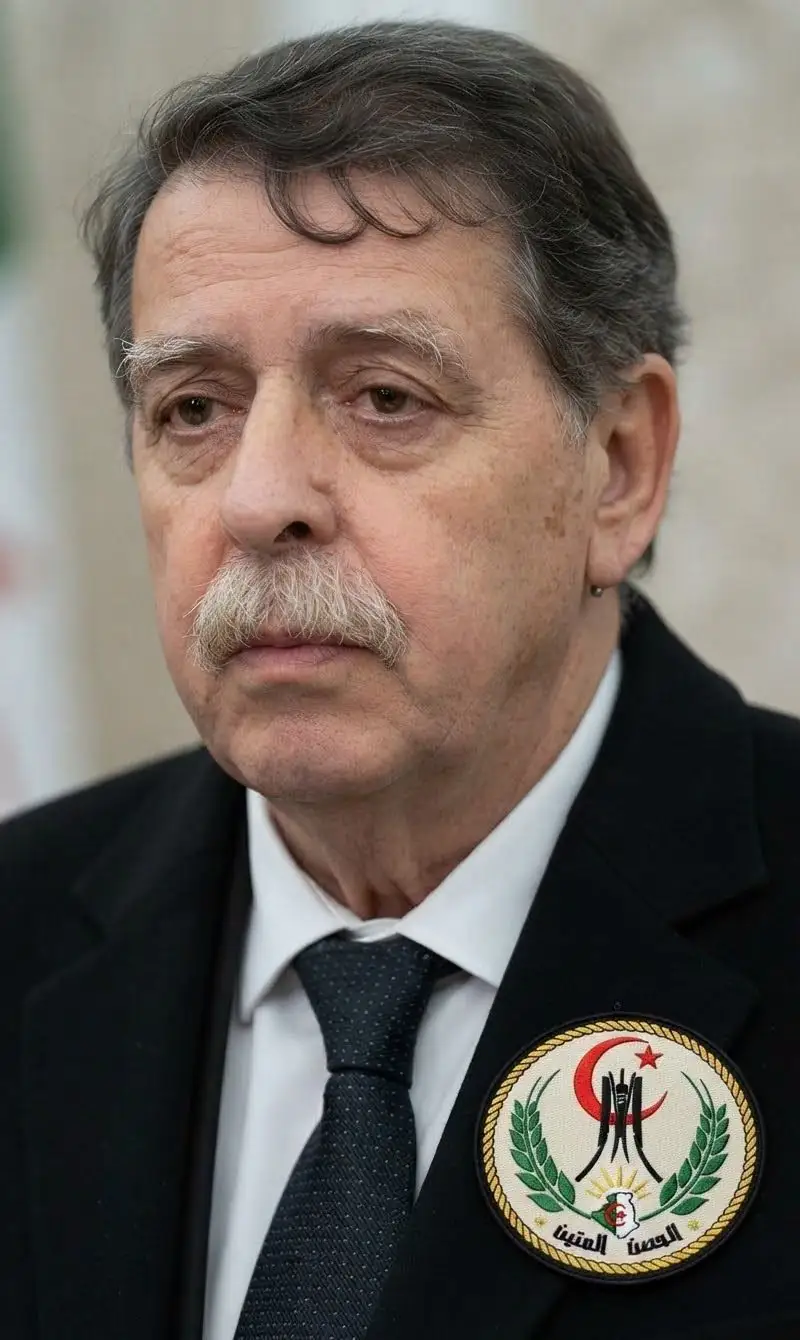 StatementsBloc mourns Hamid Lounaouci, former transport minister and former adviser to the President
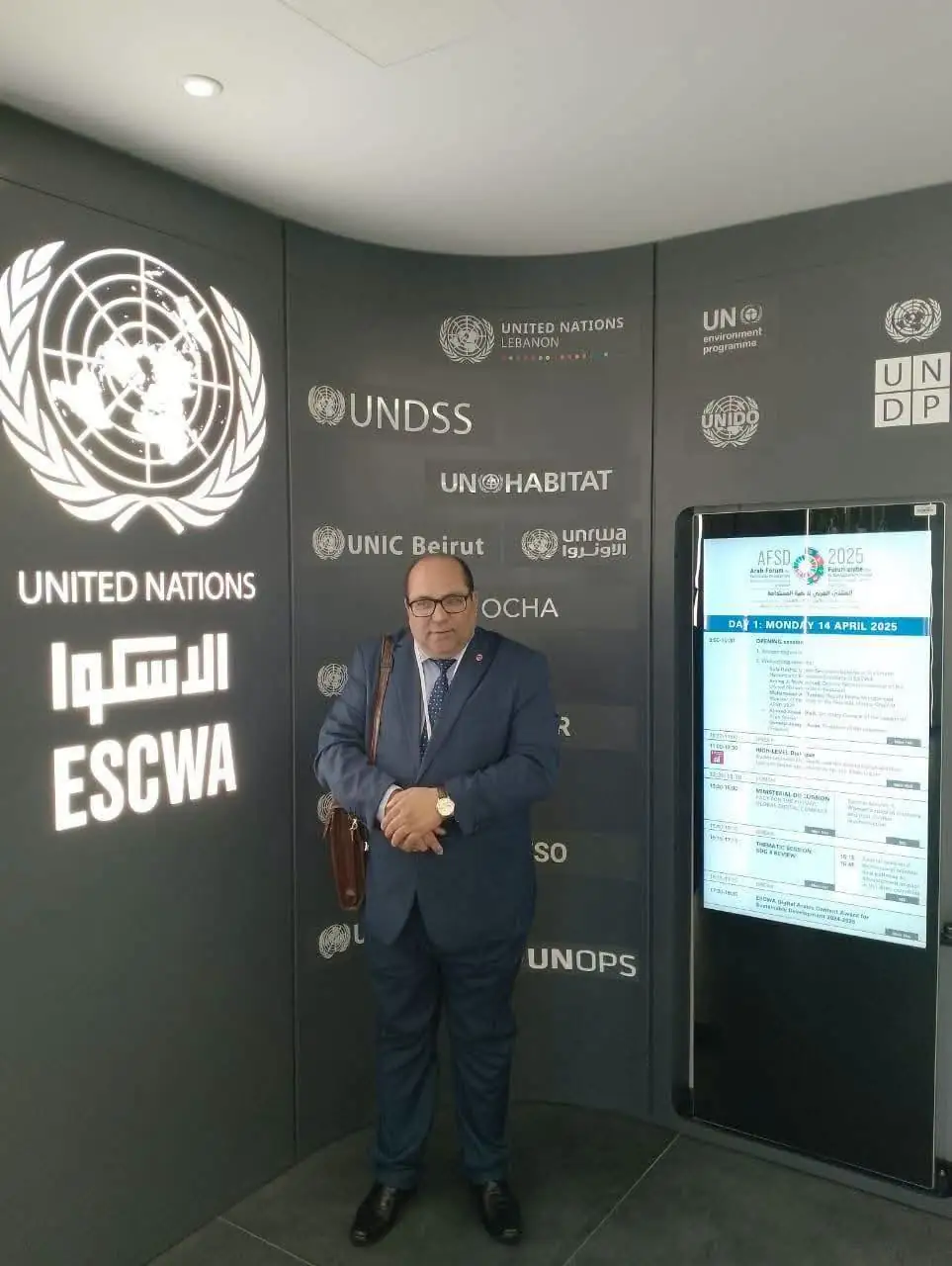 StatementsBloc congratulates Prof. Bachir Mahmoudi on his selection for an Arab sustainable-development study
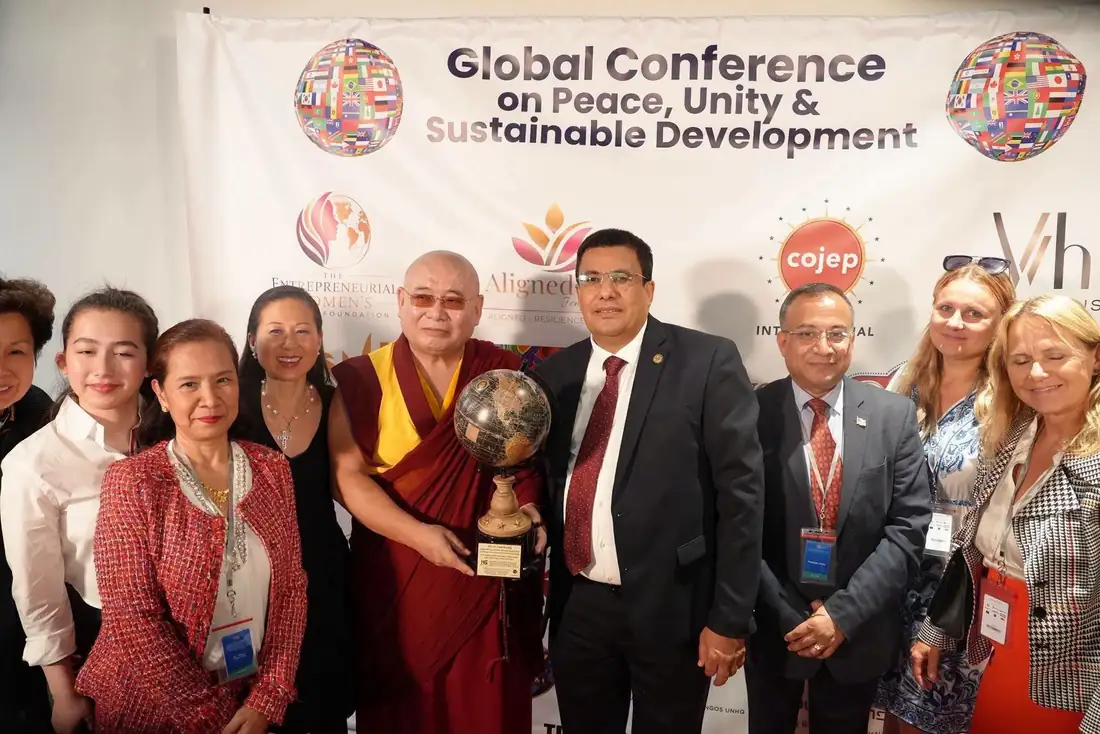 StatementsBloc congratulates Pan-African Parliament President Fateh Boutbig on his 2026 global leadership award